
STDs and Infectious Diseases
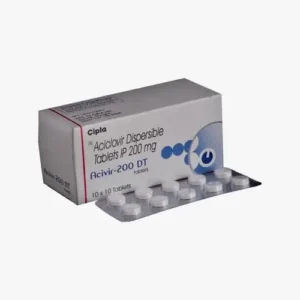
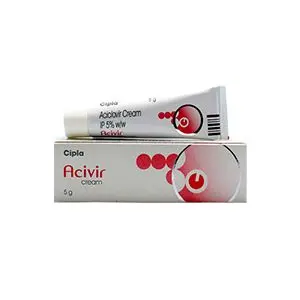

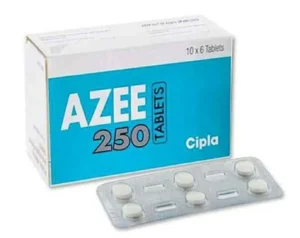
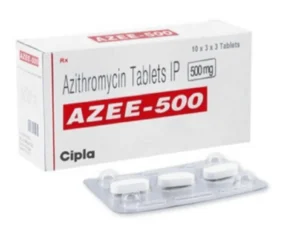
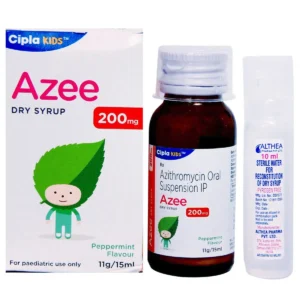
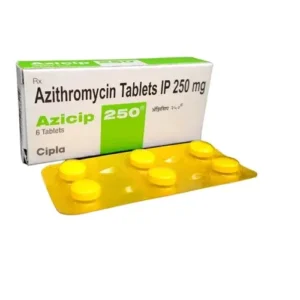
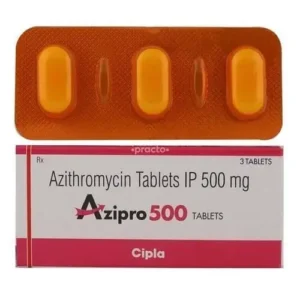
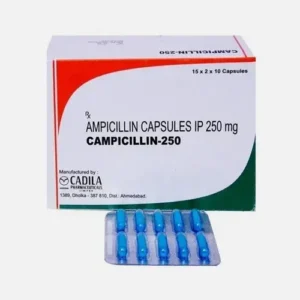
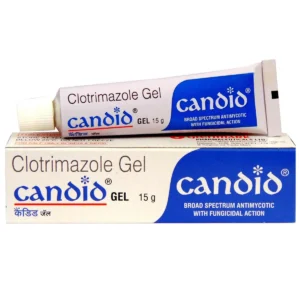
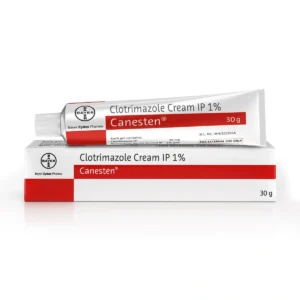
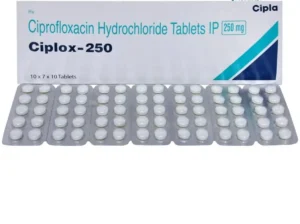
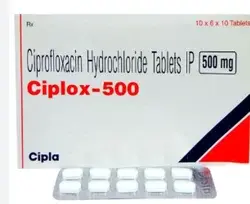
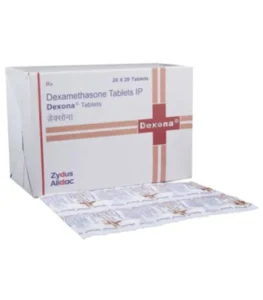
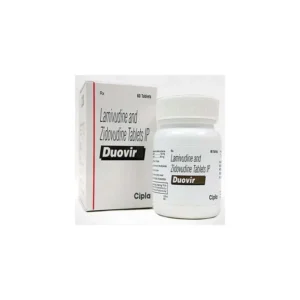
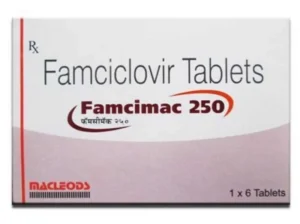


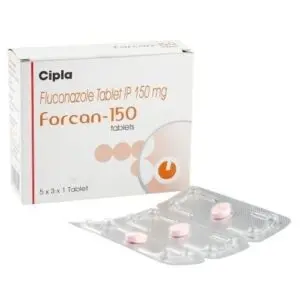


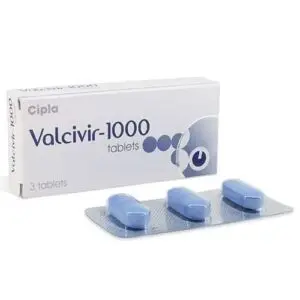
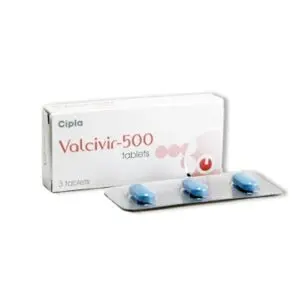
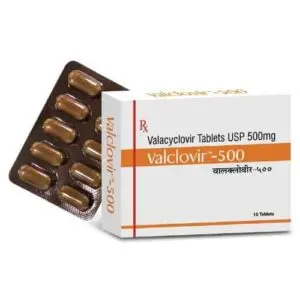
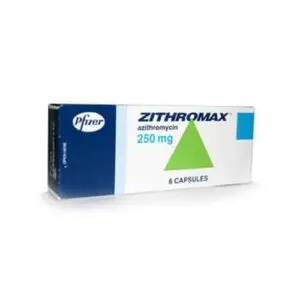
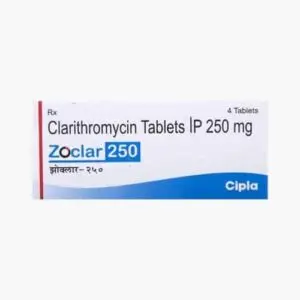
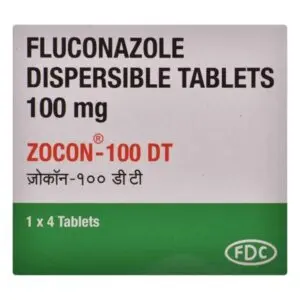
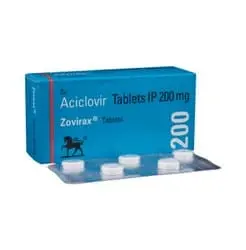
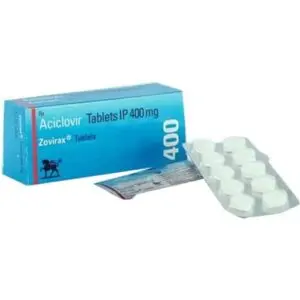
This category covers medicines used to treat sexually transmitted infections and other common infectious conditions — antiviral tablets and creams for herpes, antibiotics for bacterial infections, antifungals for thrush and skin infections, and antiretroviral medicines used in HIV care. Almost everything here is prescription-only in the countries we ship to.
Infections are one area where taking the right medicine matters more than taking a medicine. Two infections can produce identical symptoms and need completely different drugs, and a partly-treated infection can be harder to cure than an untreated one. The notes below explain what each group of medicines actually does, and where the real limits are.
Get tested before you treat
You cannot reliably tell one genital infection from another by symptoms alone. Chlamydia, gonorrhoea, trichomoniasis, herpes and thrush overlap heavily in how they present, and several — chlamydia especially — often produce no symptoms at all while still causing damage. Guessing wrong has consequences beyond a wasted course of tablets:
• The wrong antibiotic leaves the infection active. Untreated chlamydia and gonorrhoea can progress to pelvic inflammatory disease, chronic pelvic pain, ectopic pregnancy and infertility. Untreated syphilis progresses through stages over years and can affect the nervous system and heart.
• Partial treatment can mask symptoms without curing. A short or under-dosed course can quiet symptoms while the infection persists and continues to be transmissible.
• Partners need treating too. Curing one person and not their partner usually means reinfection within weeks. Testing identifies who needs treatment.
• A test result changes the drug. Chlamydia, gonorrhoea and trichomoniasis are all bacterial or parasitic, and all three need different medicines.
Most sexual health clinics test for the common infections in a single visit, and many countries offer this free or at low cost. If you have symptoms, a known exposure, or a new partner, a test is the right first step — not a purchase.
Antiviral medicines for herpes
Herpes simplex (HSV-1 and HSV-2) causes cold sores and genital herpes. It is a lifelong viral infection: antivirals do not eradicate it, but they shorten outbreaks, reduce their frequency when taken as suppressive therapy, and lower the chance of passing it on.
This category stocks the three standard oral antivirals — aciclovir (Zovirax, Acivir), valaciclovir (Valcivir, Valclovir) and famciclovir (Famcimac) — plus aciclovir cream for cold sores. They work best when started at the very first sign of an outbreak, ideally within the first day, which is why many people who get recurrent outbreaks keep a course on hand after a doctor has confirmed the diagnosis.
Antibiotics
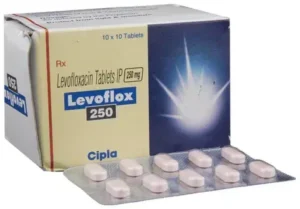
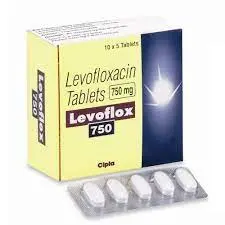
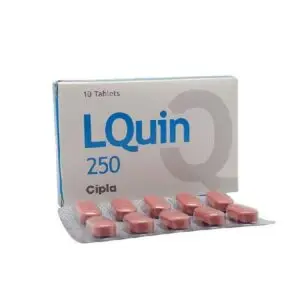
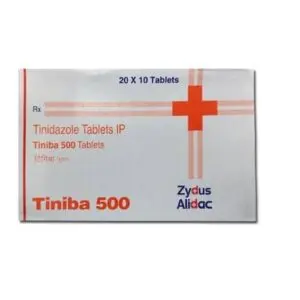
The antibiotics here span several classes: macrolides (azithromycin — Azee, Azicip, Azipro, Zithromax; clarithromycin — Zoclar), fluoroquinolones (ciprofloxacin — Ciplox; levofloxacin — Levoflox, LQuin), nitroimidazoles (tinidazole — Fasigyn, Tiniba), a penicillin (ampicillin — Campicillin) and faropenem (Farobact).
Two things are worth knowing before assuming an antibiotic on this page will treat a specific STI.
Gonorrhoea is not treated with any oral antibiotic in this category. Current CDC guidance recommends a single intramuscular injection of ceftriaxone 500 mg — an injection given by a clinician, not a tablet. Azithromycin is explicitly not recommended on its own, because N. gonorrhoeae develops macrolide resistance readily and treatment failures are documented. Fluoroquinolones such as ciprofloxacin were dropped from gonorrhoea guidance in 2007 because of widespread resistance. If you have or suspect gonorrhoea, you need a clinic.
Chlamydia guidance has changed. Doxycycline taken twice daily for seven days is now first-line; single-dose azithromycin has been downgraded to an alternative. If you are treating a confirmed chlamydia infection, ask your prescriber which regimen applies to you.
For the antibiotics that are appropriate to your diagnosis, finish the full course even after symptoms clear. Stopping early is one of the main ways resistant bacteria are selected for, and it is the reason a second course often works less well than the first.
Antifungal medicines
Thrush (candidiasis), ringworm, athlete’s foot and fungal nail infections are treated with a different class of drug entirely — antibiotics do nothing for them, and in fact a course of antibiotics is a common trigger for thrush.
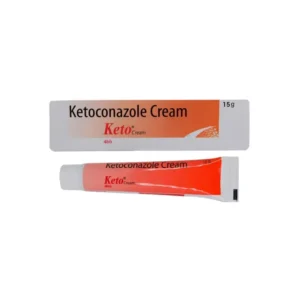
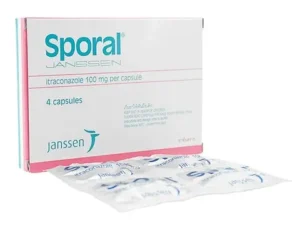
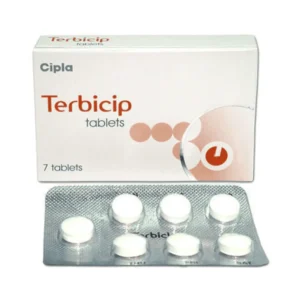
The oral antifungals here are fluconazole (Forcan, Zocon), itraconazole (Sporal) and terbinafine (Terbicip). Topicals include clotrimazole (Canesten, Candid) and ketoconazole (Keto Cream). Uncomplicated thrush often responds to a single fluconazole dose or a short topical course; skin and nail infections usually need weeks to months, and nail infections in particular are slow.
Recurrent thrush — four or more episodes a year — is worth investigating rather than self-treating repeatedly, since it can point to an underlying cause such as undiagnosed diabetes.
Genital warts
Imiquimod cream (Imiquad) is an immune-response modifier applied to external genital warts caused by HPV. It works gradually over weeks and commonly causes local redness and irritation as it works. It is for external use only and is not suitable for internal or cervical lesions, which need clinical assessment.
HIV medicines: testing is not optional
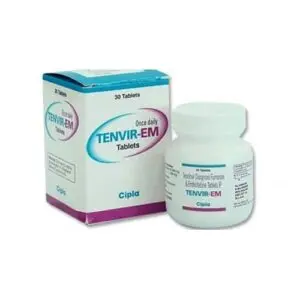
This category includes Tenvir-EM (tenofovir disoproxil with emtricitabine) and Duovir (lamivudine with zidovudine). These are antiretroviral medicines used in HIV treatment, and tenofovir/emtricitabine is also the standard combination used for pre-exposure prophylaxis (PrEP).
If you are considering PrEP, a negative HIV test immediately beforehand is essential, and this is not a formality. Taking a two-drug PrEP regimen while already carrying an undiagnosed HIV infection is effectively treating HIV with an incomplete regimen, and it selects for drug resistance quickly — emtricitabine resistance can emerge within two to four weeks. In one London cohort, 23% of PrEP users later diagnosed with HIV carried emtricitabine resistance, against 1% of those diagnosed who had not taken PrEP. That resistance narrows the treatment options available for the rest of that person’s life.
PrEP also requires repeat HIV testing at regular intervals for as long as it is taken, plus kidney function monitoring. It is a medicine that works extremely well inside a monitoring programme and causes lasting harm outside one. Please use it under the care of a clinician or a PrEP service.
When to seek care urgently
Some presentations need same-day medical attention rather than any medicine on this page: fever with abdominal or pelvic pain, testicular pain and swelling, a spreading skin infection, a painless genital ulcer that appears and heals on its own (a classic early syphilis sign), any infection during pregnancy, or symptoms in someone who is immunosuppressed. Eye involvement with herpes also needs urgent assessment.
Before you order
Speak to a doctor and obtain a prescription. Tell them about every other medicine you take — several drugs here interact meaningfully with others, including the interaction between fluoroquinolones and antacids, clarithromycin with statins, and tenofovir with other medicines affecting kidney function. Check whether importing these medicines is lawful where you live before ordering, and follow the dosing your prescriber gives you rather than the general guidance above, which cannot account for your circumstances.
This page is general information about medicine categories. It is not medical advice, not a diagnosis, and not a substitute for testing and consultation.